Offered at $65,000, the stately brick residence at 218 Jackson Avenue in Charleston stands as one of the community’s most intriguing historic opportunities. Built circa 1857, this more-than-4,000-square-foot home embodies the craftsmanship, ambition, and architectural pride of mid-19th-century America.
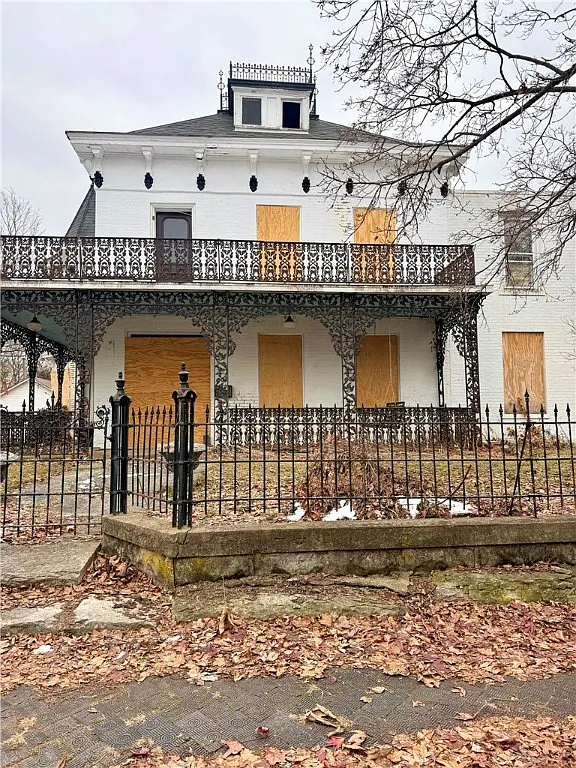
With its thick brick walls, soaring ceilings, intricate woodwork, and multiple original fireplaces, the property offers not only generous space but also a tangible connection to the people and events that shaped its era.
Constructed by Thomas Marshall, a descendant of John Marshall, the home reflects a lineage steeped in American legal and political history. Over the decades, it became associated with notable figures, including documented visits from Abraham Lincoln during his travels through Illinois.
The residence was later occupied by John P. St. John, former Governor of Kansas, and subsequently owned by members of the Gerald Moore family and other prominent local citizens. Few properties in the region can claim such a distinguished and layered past.
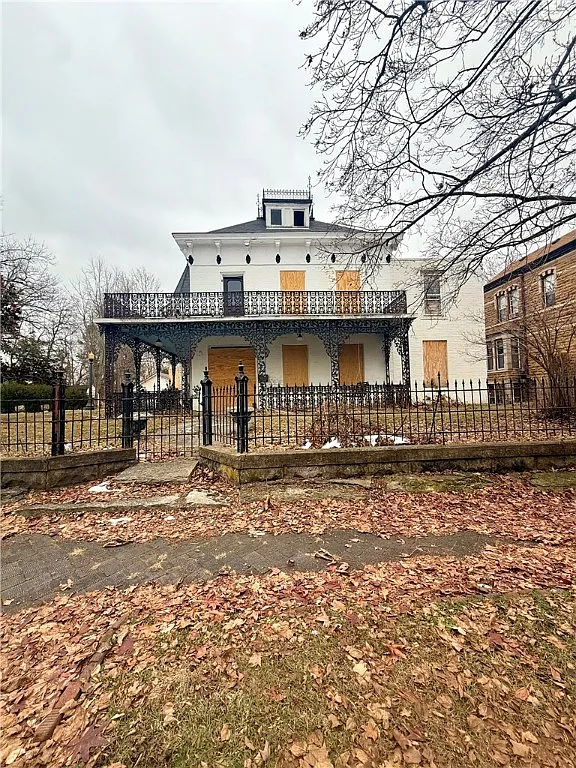
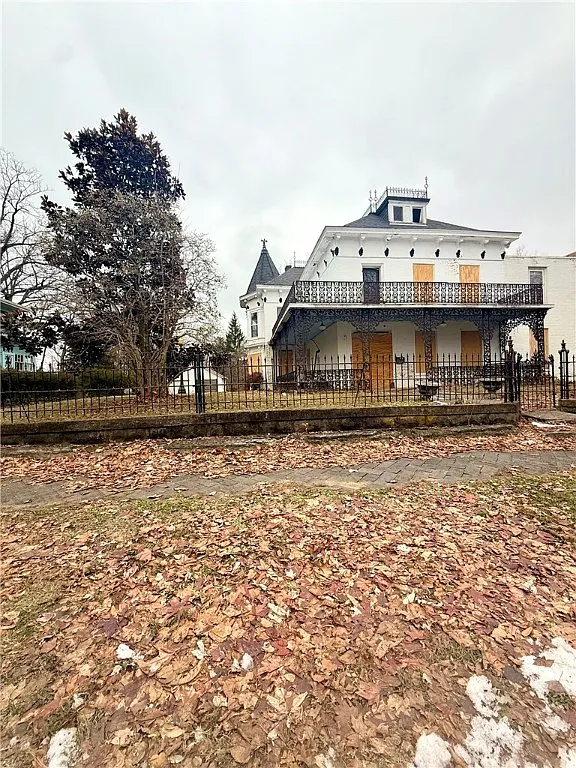
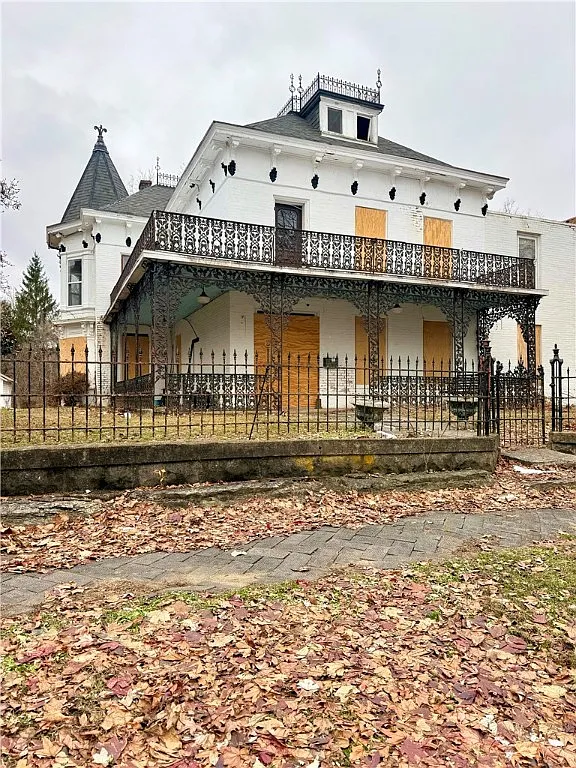
From the moment one approaches the home, its historic presence is unmistakable. A brick driveway leads to the property, framed by a black iron fenced front yard with gated entry. Ornate wrought-iron porch railings add decorative elegance, complementing the home’s solid brick façade.
The exterior’s classic proportions and period details hint at the grandeur that awaits inside.
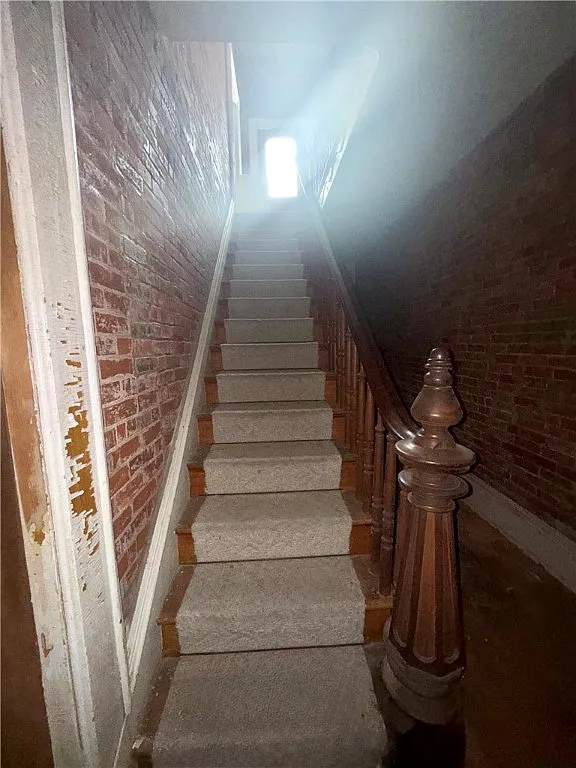
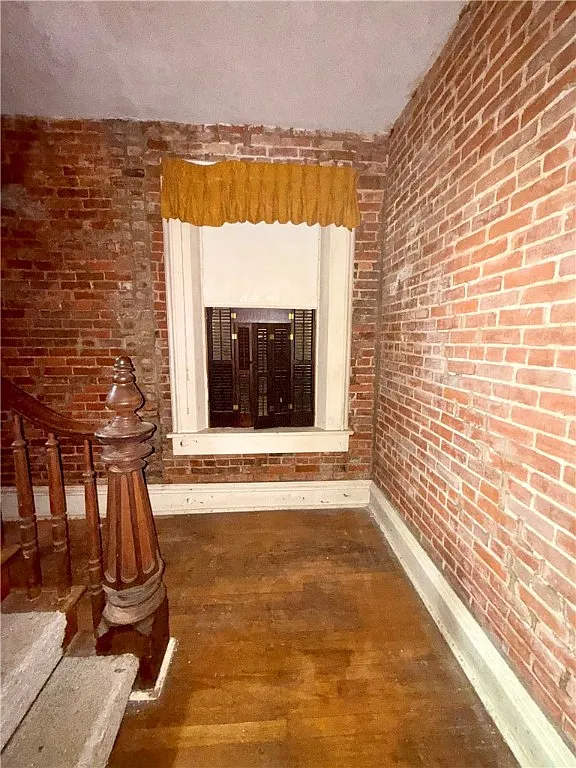
Stepping through the entry, visitors are greeted by a striking brick parlor featuring original double doors that open toward the grand main staircase. This architectural focal point sets the tone for the rest of the interior.
The staircase, crafted with enduring materials and traditional detailing, serves as a reminder of a time when homes were designed as both functional spaces and statements of refinement.
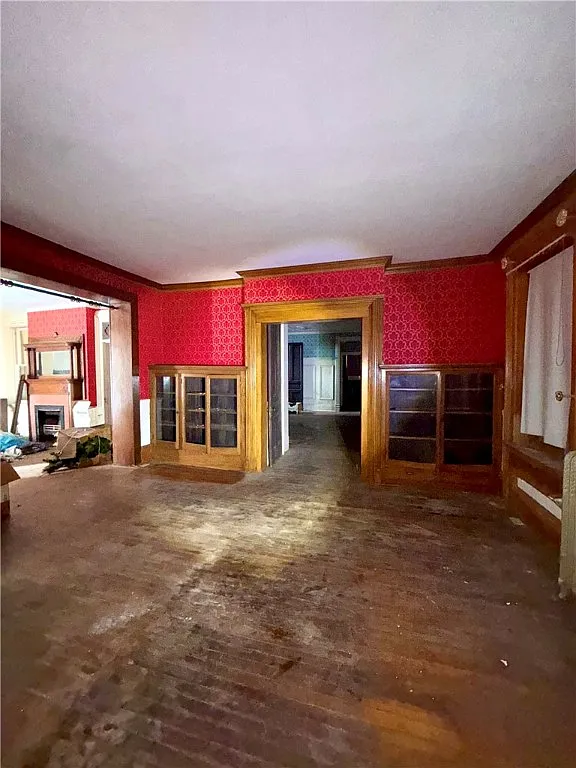
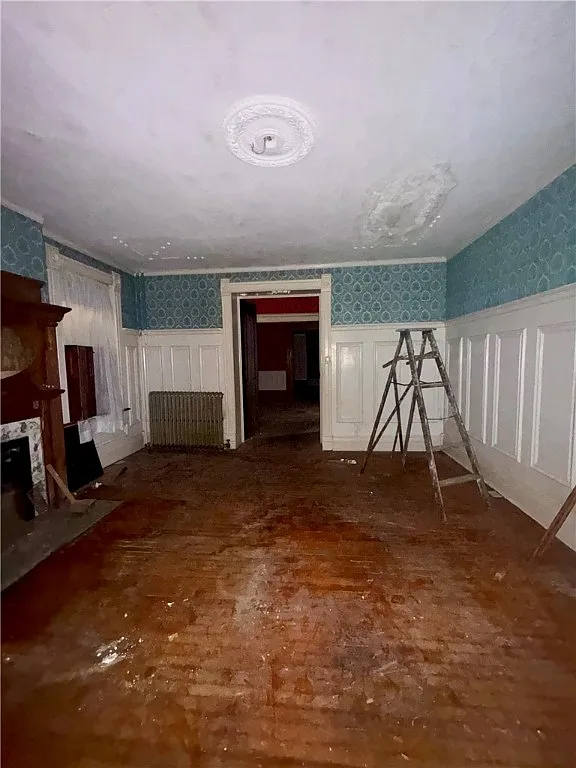
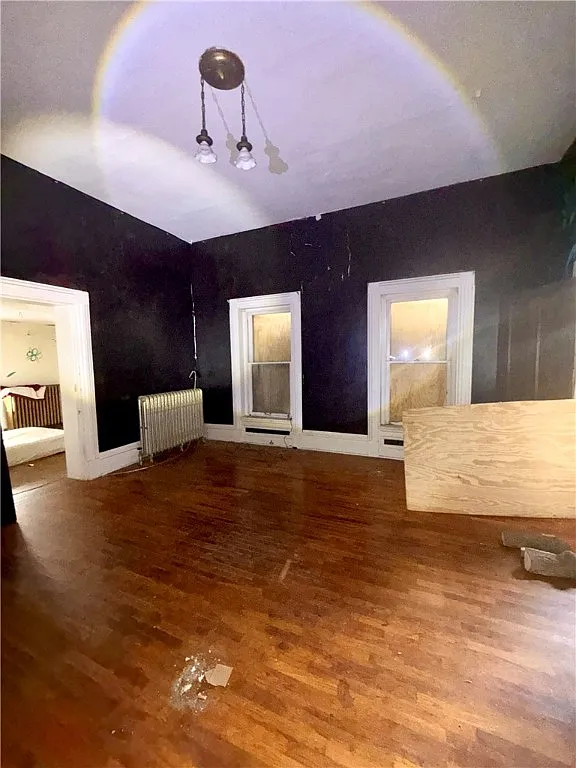
The main level offers a series of spacious, interconnected rooms that reflect the entertaining style of the 19th century. Original hardwood floors extend throughout, their patina telling the story of generations past.
The formal brick parlor provides an intimate yet stately gathering space, while the living room and family room offer additional areas for relaxation and hosting. A dedicated dining room, complete with dual built-in cabinets, showcases the thoughtful craftsmanship of the period—details that modern construction rarely replicates.
Two half bathrooms on the main floor add convenience, blending historical character with practical layout. Period elements such as pocket doors, wainscoting, and cathedral ceilings contribute to the sense of scale and artistry. The thick brick walls not only lend structural integrity but also enhance the home’s quiet solidity and insulation.
Multiple original fireplaces remain throughout the residence, each a testament to the artisans who constructed them more than a century and a half ago. These fireplaces serve as visual anchors in their respective rooms, highlighting decorative mantels and brickwork that have endured through decades of changing tastes and ownership.
Upstairs, the second level features four generously sized bedrooms. The layout includes one full bathroom, a kitchenette area, and a large walk-in closet—an unexpected amenity in a home of this vintage. The upper level’s proportions and natural light offer comfortable private quarters while preserving the historical ambiance that defines the property.
A secondary butler’s staircase connects the main floor to the upper level and continues to the third-floor attic. This additional staircase speaks to the original household structure and provides practical access to all levels.
The attic itself presents exciting potential. With sufficient vision and renovation, it could be transformed into additional living space, studios, guest quarters, or recreational rooms, further expanding the already substantial footprint.
The property includes a detached garage, addressing modern parking needs while maintaining the historic integrity of the main structure. Although the home requires updating and thoughtful restoration, its windows and doors remain intact.
They are currently boarded solely as a precaution against unauthorized entry, preserving the interior during its time on the market.
At $65,000, the listing represents a remarkable opportunity for investors, preservationists, or homeowners with a passion for historic architecture. Properties of this scale and provenance are increasingly rare, particularly at such an accessible price point.
The necessary improvements offer a blank canvas for those eager to blend modern amenities with authentic period details.
Restoration of a home like this involves more than renovation—it is stewardship. Each original door, mantel, and banister contributes to a narrative spanning more than 165 years. With careful planning, updated systems, and sensitive design choices, the residence could once again serve as a showpiece within the Charleston community.
Beyond its architectural attributes, the home’s historical associations elevate its significance. The connection to figures such as Abraham Lincoln and John P. St. John enriches its story, providing an additional layer of appeal for history enthusiasts.
Owning this property means preserving a chapter of American heritage while creating new memories within its enduring walls.
In an era when many historic homes have been lost to demolition or unsympathetic remodeling, 218 Jackson Avenue stands resilient. Its brick façade, ornate ironwork, grand staircase, and expansive rooms await a new caretaker ready to restore its luster.
For those willing to invest time and vision, this circa-1857 residence offers extraordinary character, architectural beauty, and historical depth—an uncommon blend at any price, and particularly compelling at $65,000.
FROM ZILLOW