The David A. Barnes House: A Rare Italianate Landmark in Murfreesboro, North Carolina
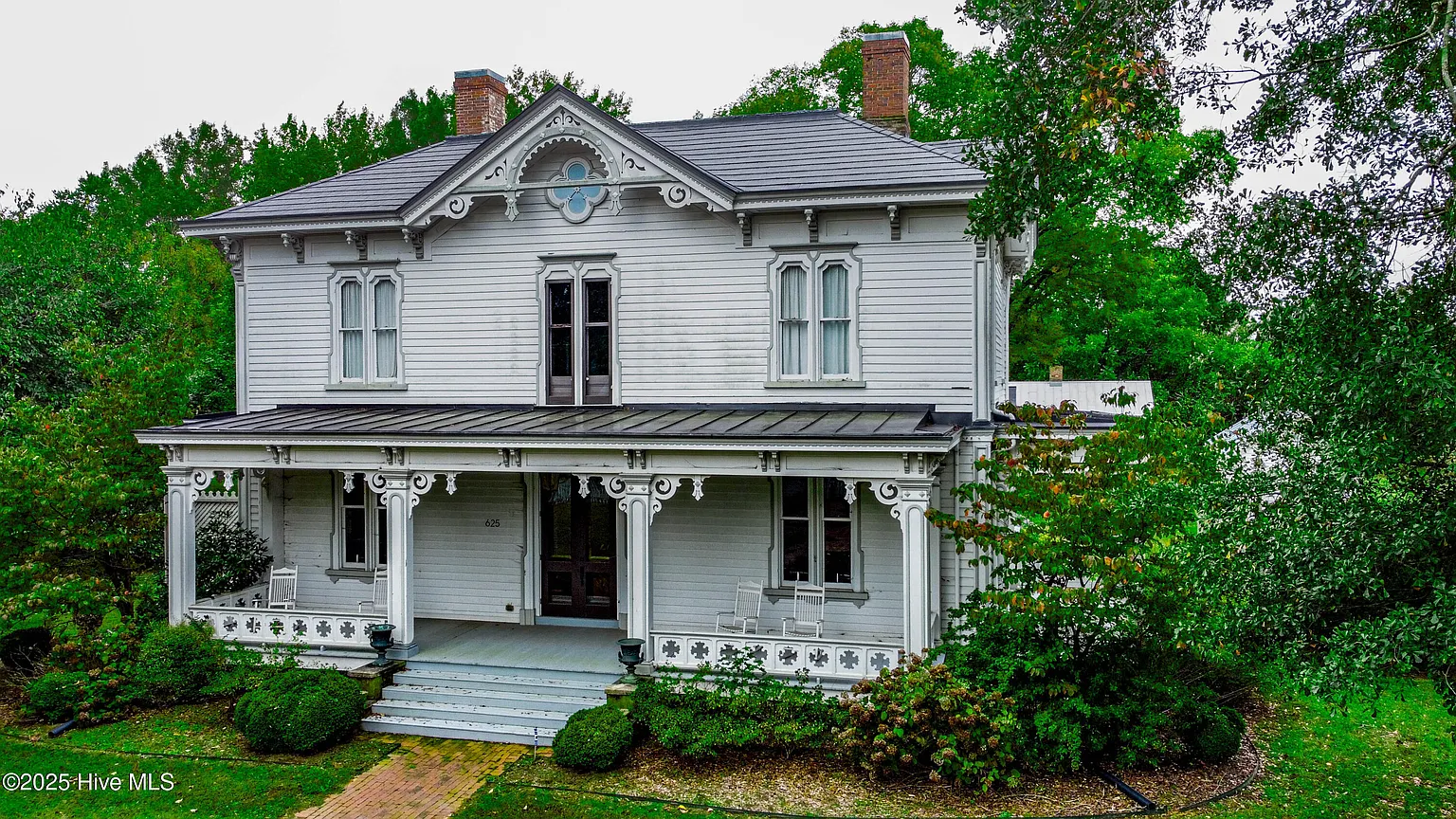
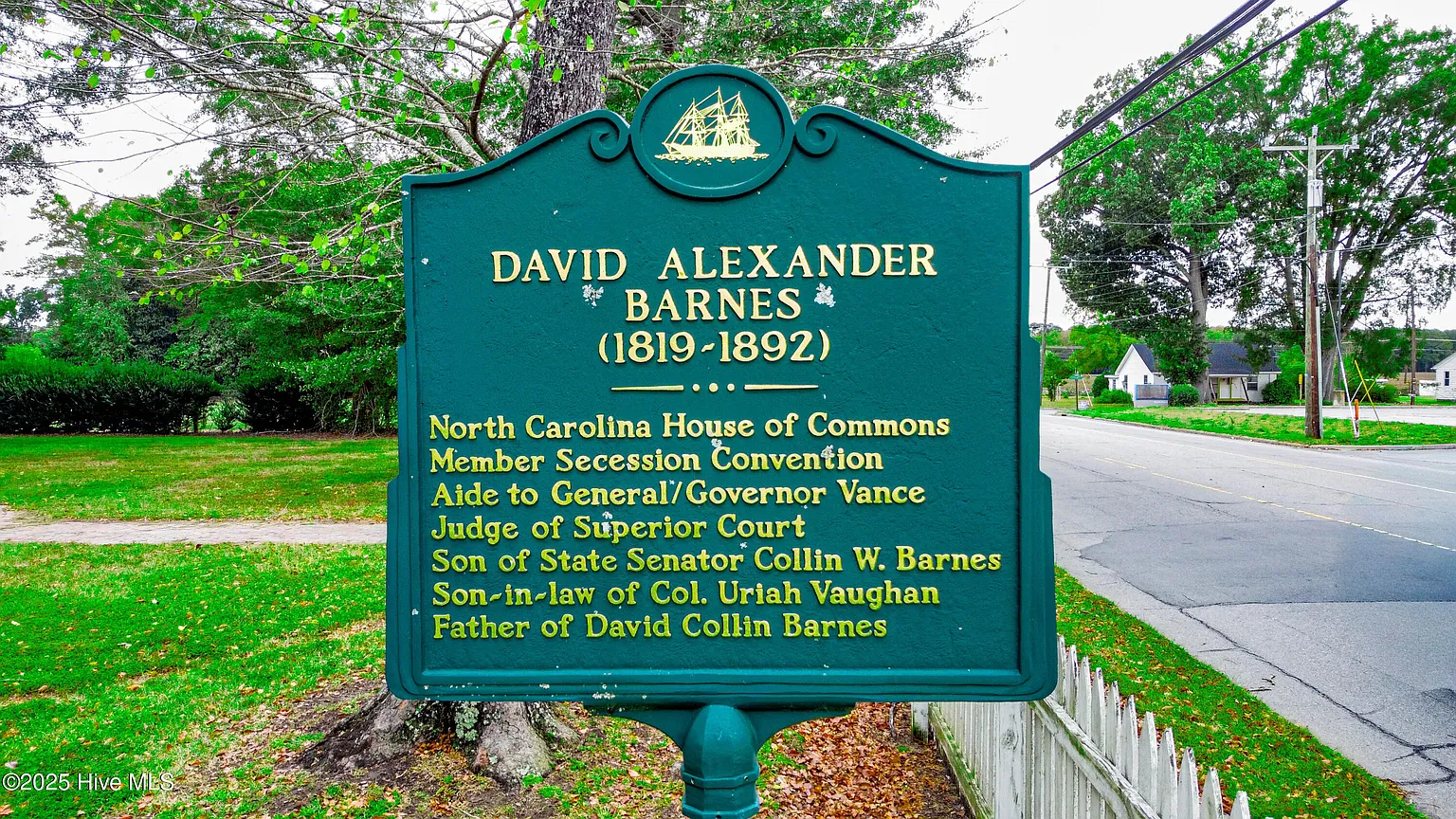
Set gracefully on just over eight acres of landscaped grounds, the 1875 David A. Barnes House stands as one of Murfreesboro’s most architecturally significant and historically intact estates. Offered at $525,000, this National Register–listed property is far more than a residence—it is a living artifact of 19th-century craftsmanship, design, and Southern heritage.
Built in 1875 by renowned master builder Jacob W. Holt, the estate reflects the height of Italianate architectural influence in North Carolina.
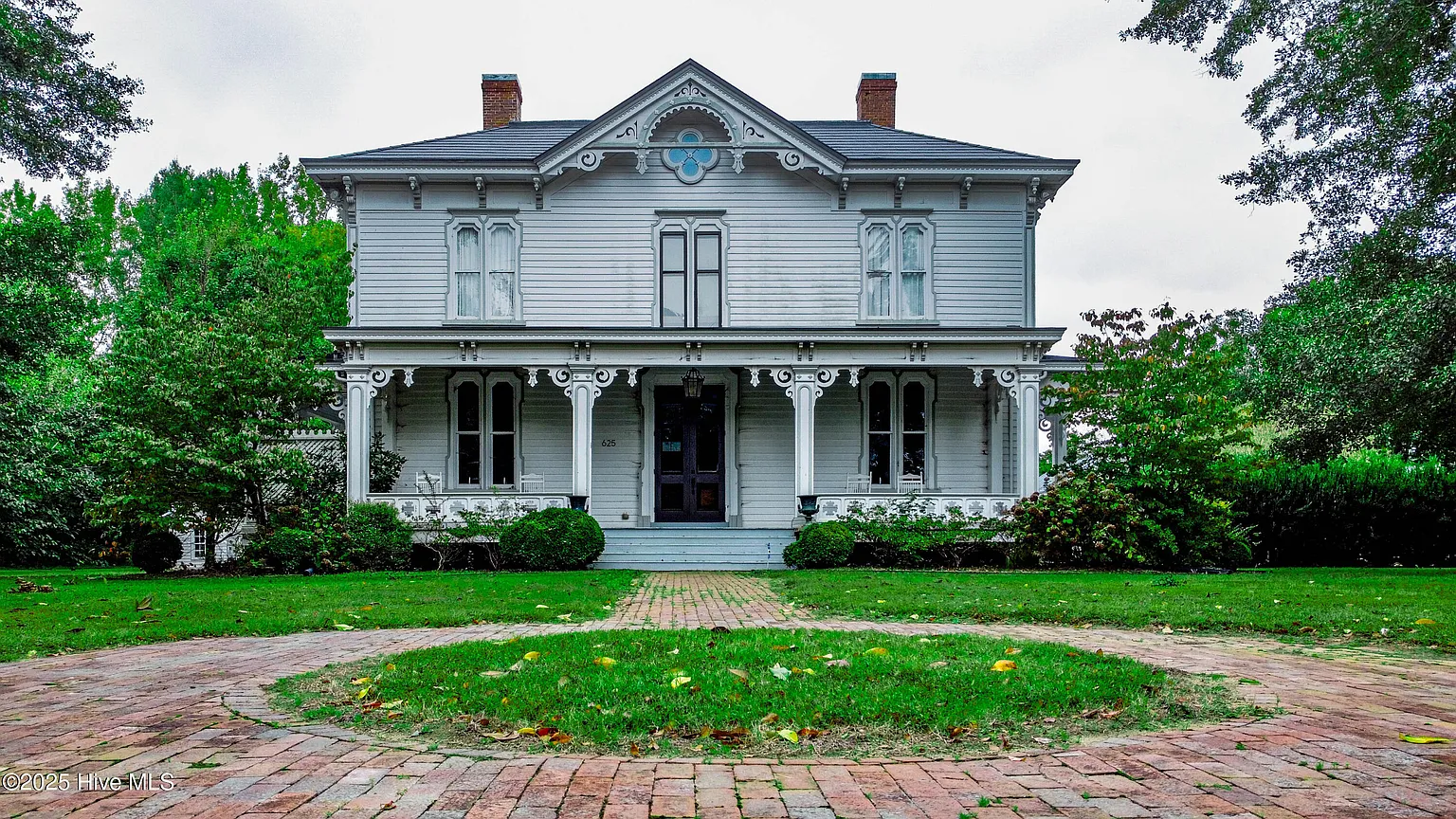
From its grand main residence to its remarkably preserved outbuildings, the Barnes House offers an exceptionally rare opportunity to own a property where history, architecture, and landscape converge in near-original form.
A Setting That Honors Its History
Approached by a long ornamental walk, the estate unfolds beneath mature trees, flowering beds, and open lawns that frame the home with timeless elegance. A wire fence encloses the grounds, maintaining the historic boundary of the property while preserving its pastoral atmosphere.
The acreage includes not only the main residence but also a collection of historic and later-use structures that tell the story of how the estate functioned across generations.
Among the most remarkable features are four original 1875 outbuildings, including a rare four-seat privy, a kitchen house, and two additional structures believed to have housed Holt’s craftsmen during construction.
These buildings alone place the property in a category few estates can rival, offering insight into 19th-century building practices and daily life. Later barns and utility buildings further enhance the estate’s depth and functionality.
Italianate Grandeur from the Outside In
The two-story Italianate main residence immediately commands attention with its balanced proportions and refined ornamentation. A hip roof crowned with decorative eave gables, paired with pressed-metal roofing and original weatherboard siding, reflects the sophistication of Holt’s design.
The wide front porch, supported by paneled posts and adorned with sawn brackets, serves as both a welcoming threshold and a visual statement of craftsmanship.
Large pocket doors open onto side porches, offering views of the surrounding grounds and reinforcing the home’s seamless connection between interior and exterior spaces—a hallmark of Italianate design.
A Masterclass in 19th-Century Interior Craftsmanship
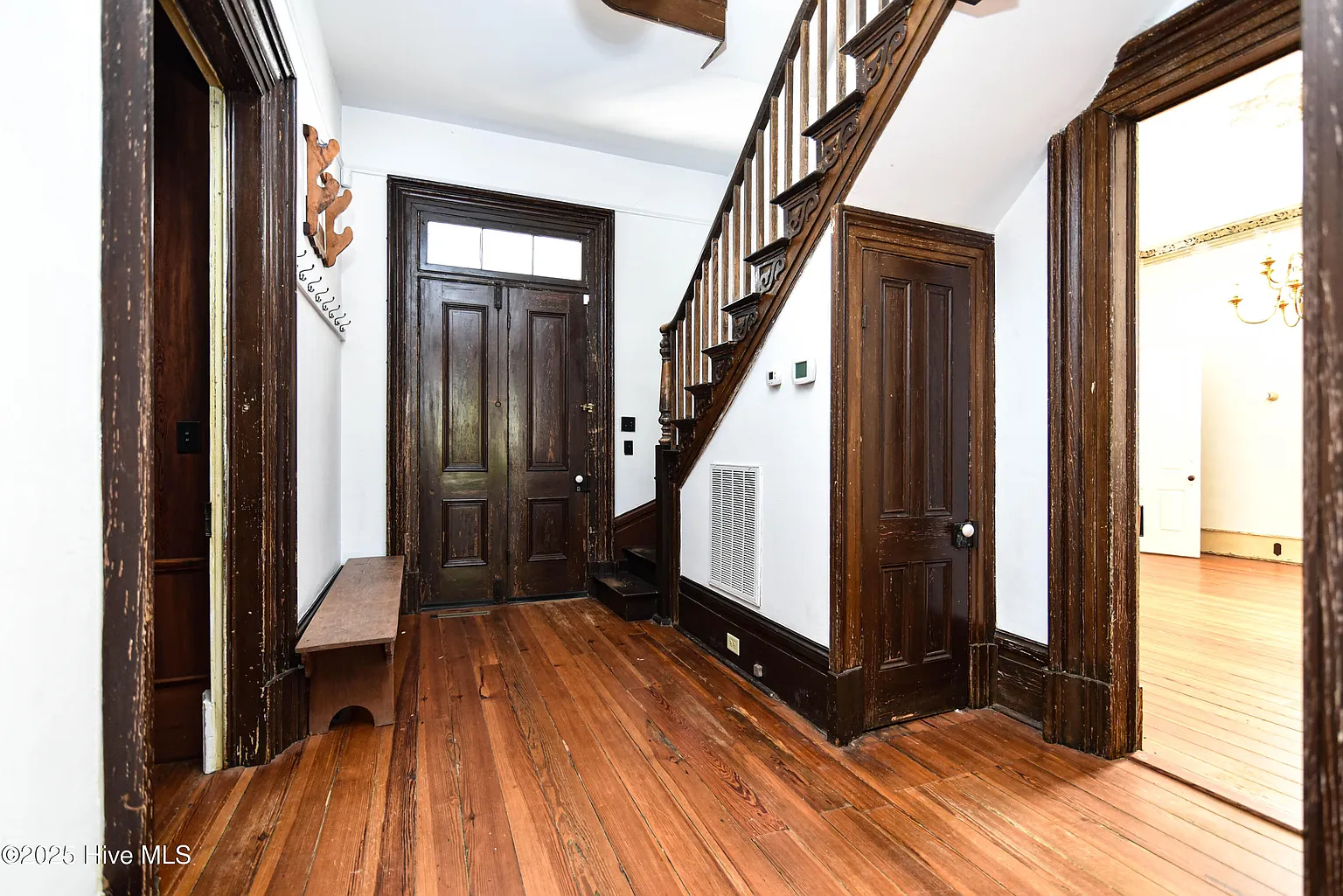
Inside, the home follows a center-hall, double-pile plan, a layout prized for both symmetry and airflow.
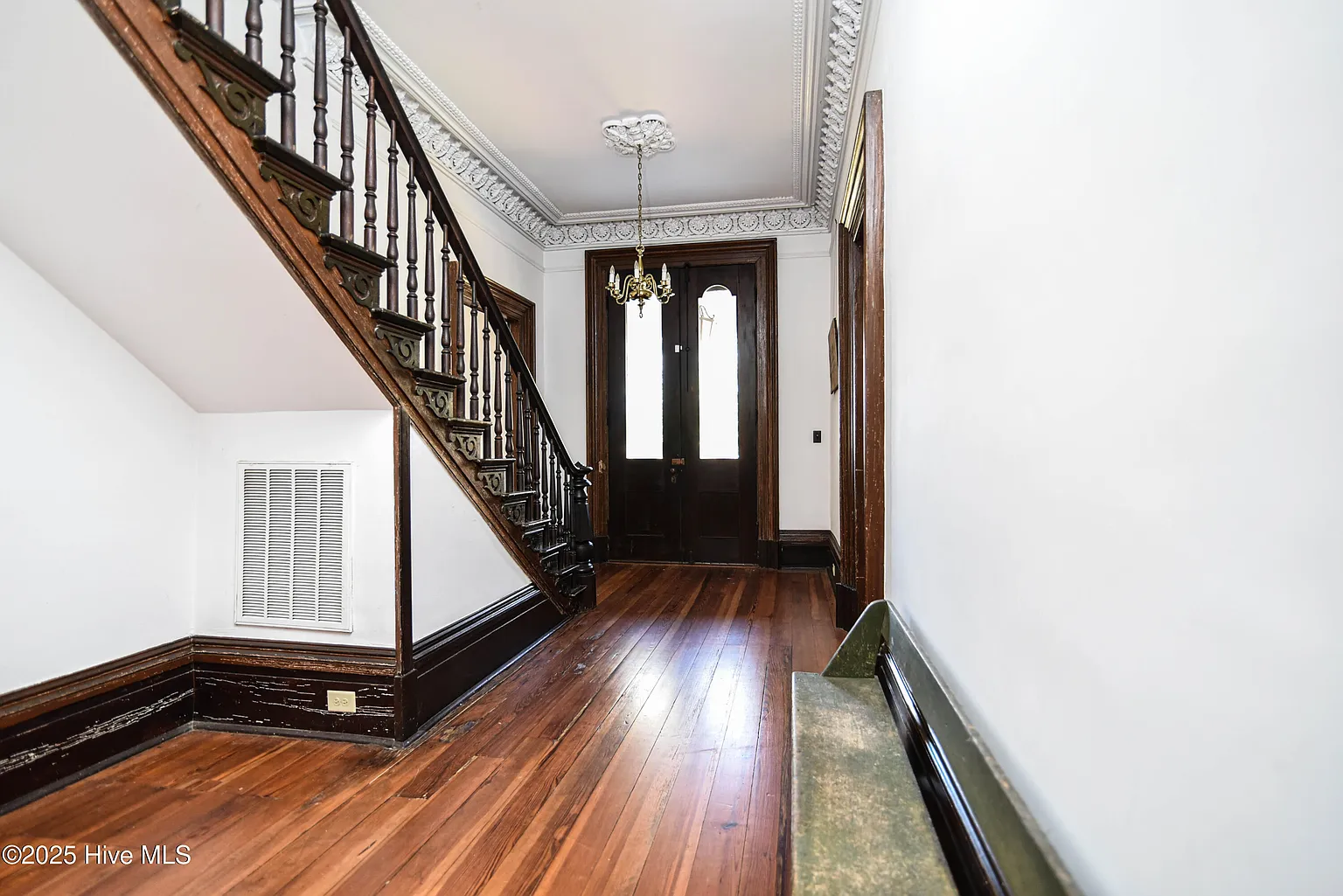
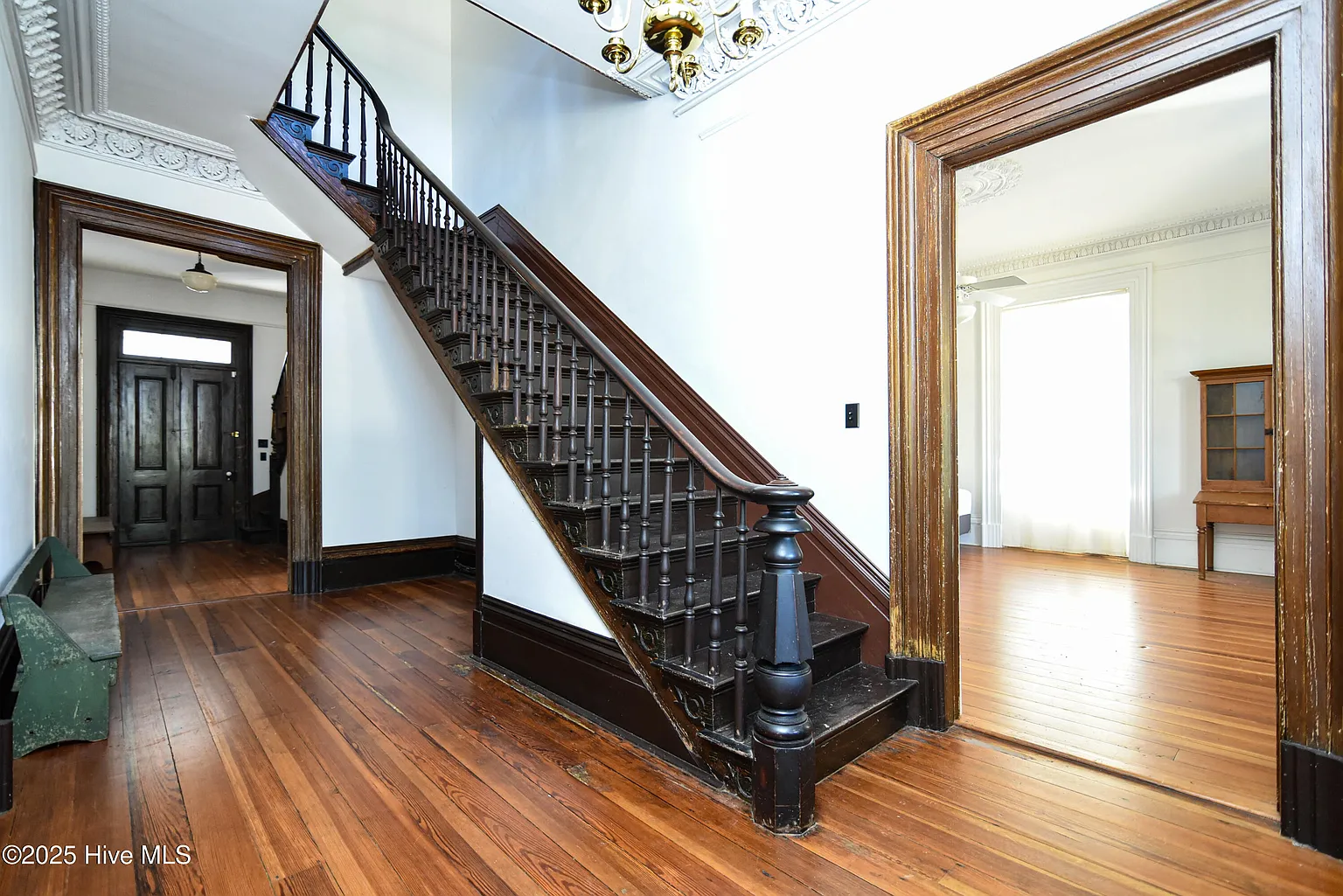
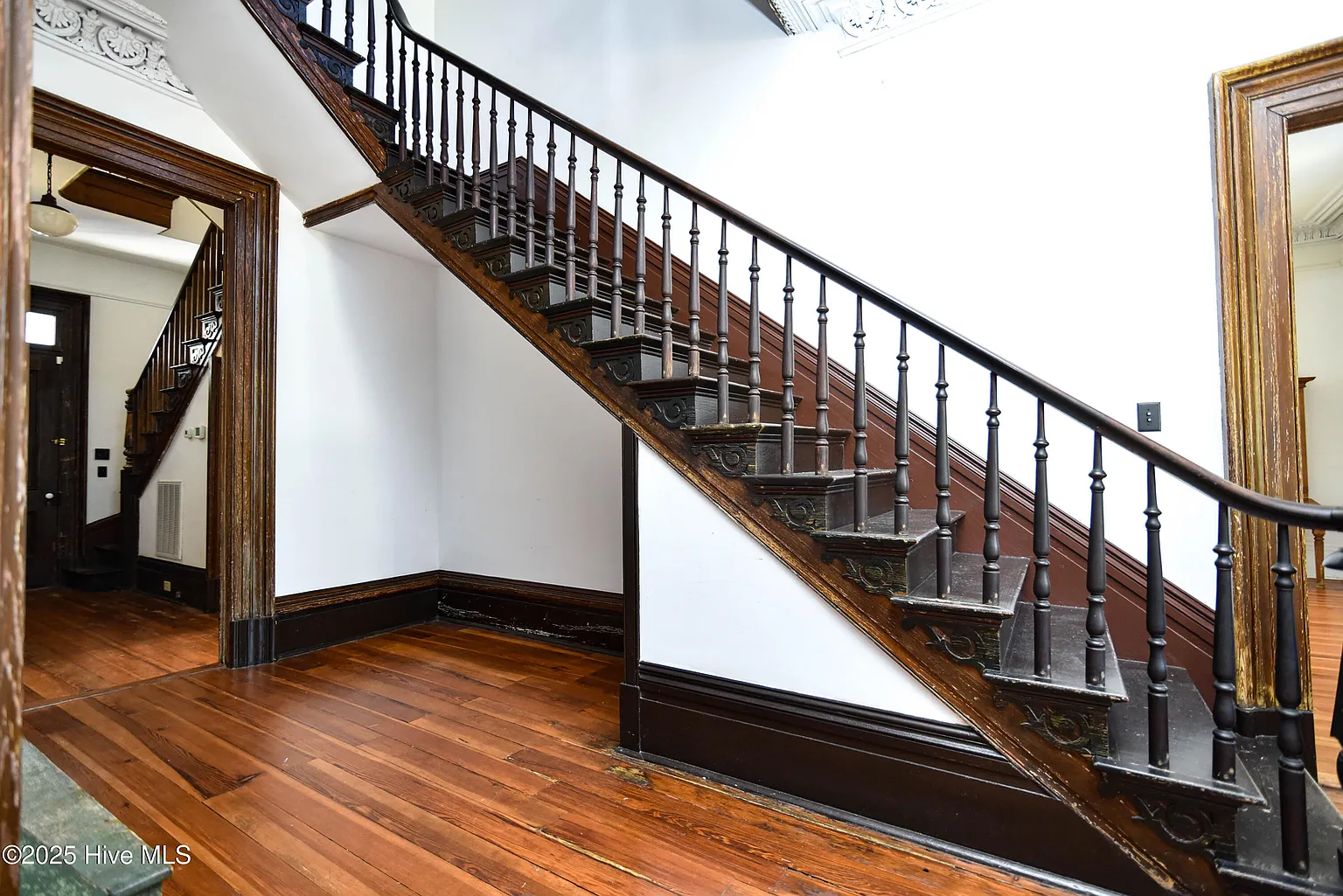
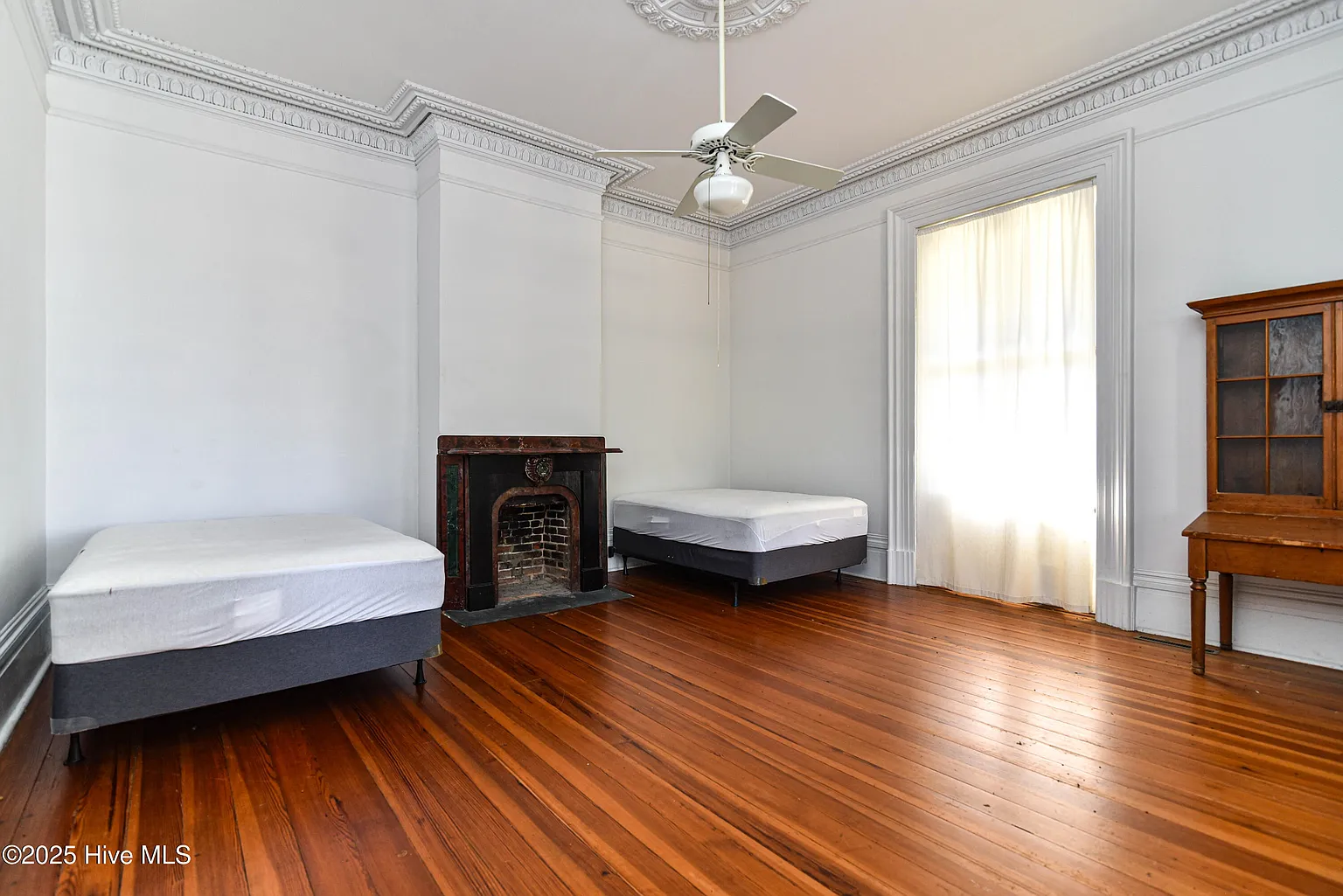
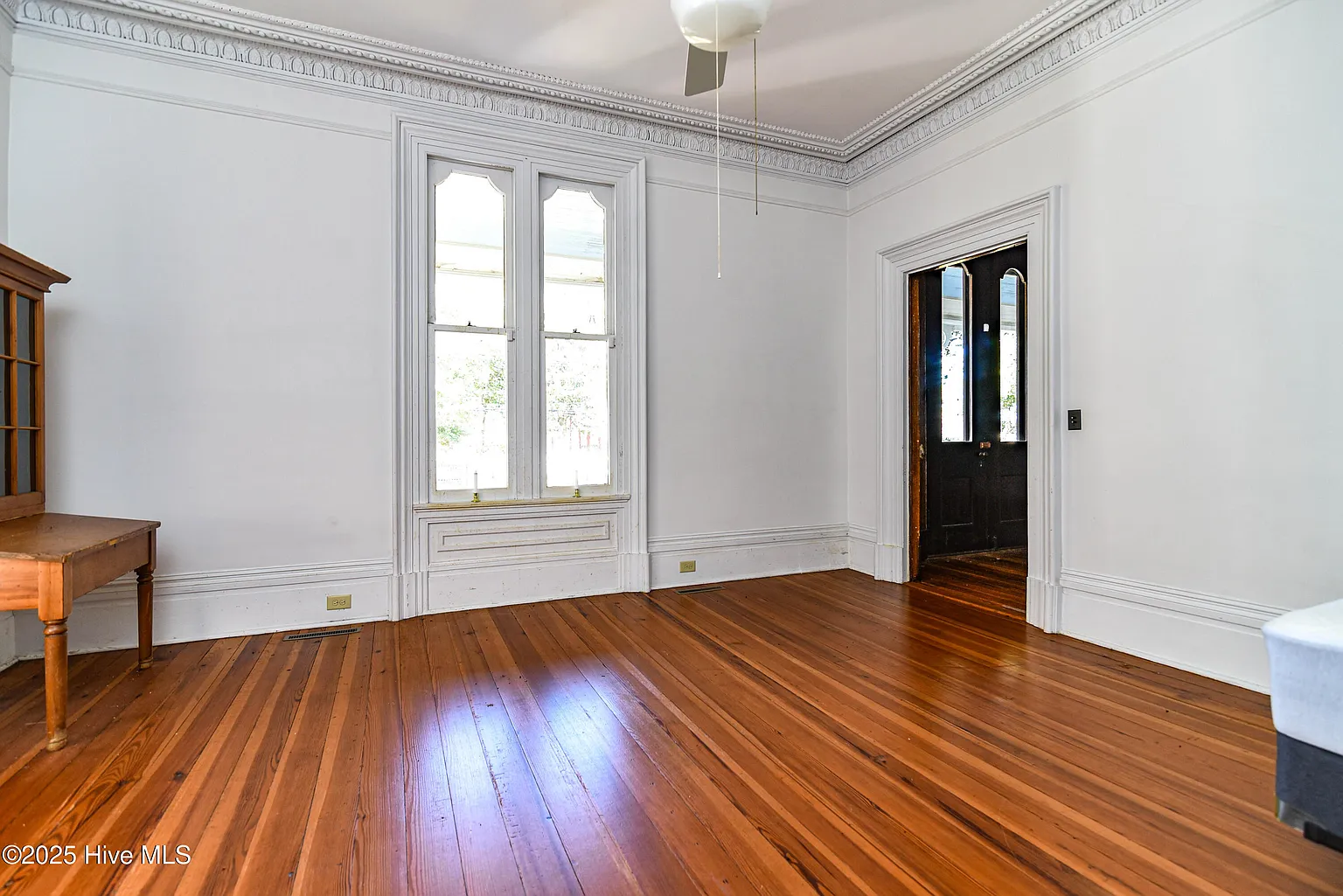
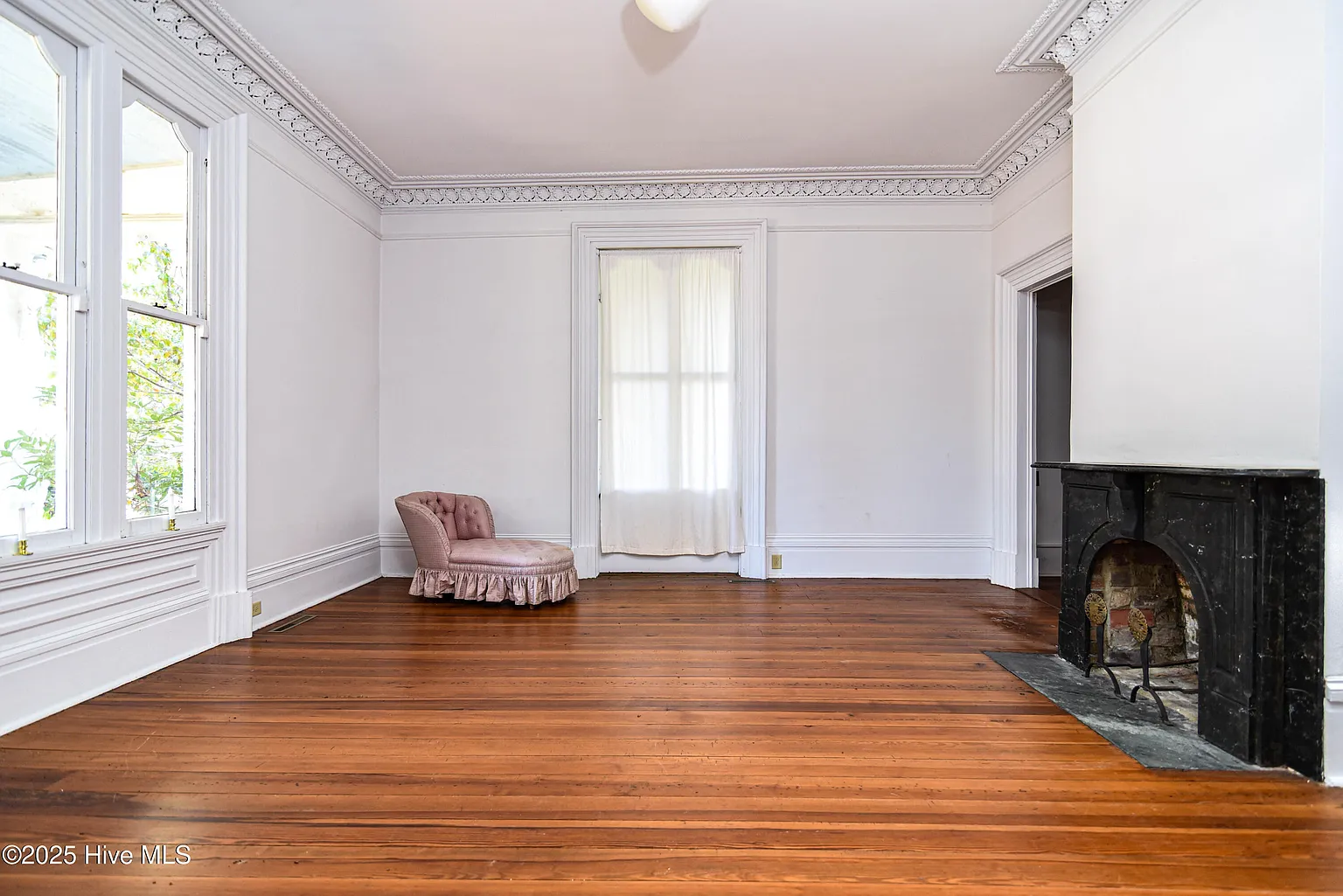
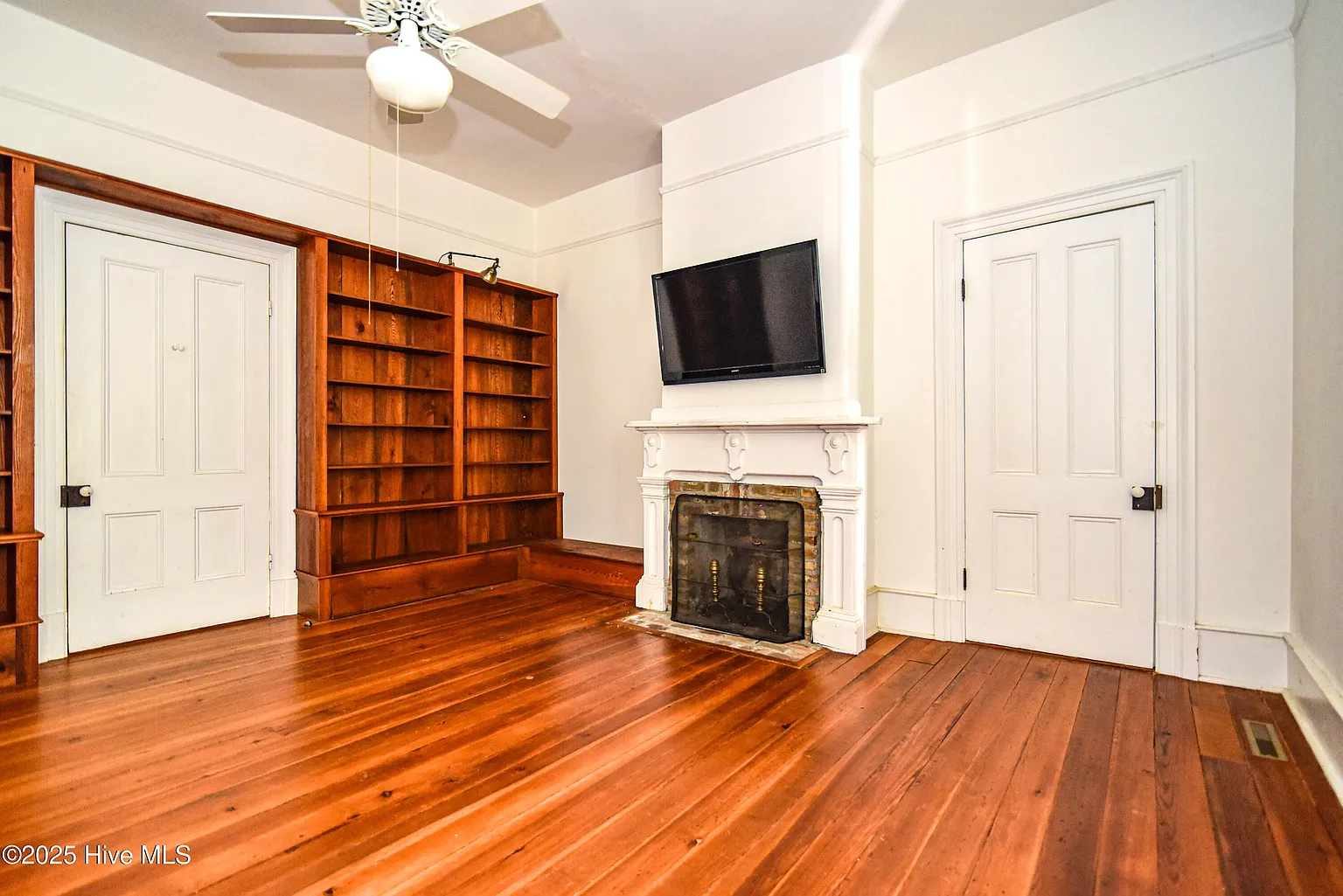
From the moment you step inside, the level of detail is unmistakable. Heavy molded woodwork, plaster crown moldings, and decorative ceiling medallions frame the rooms, while tall arched windows flood the interior with natural light.
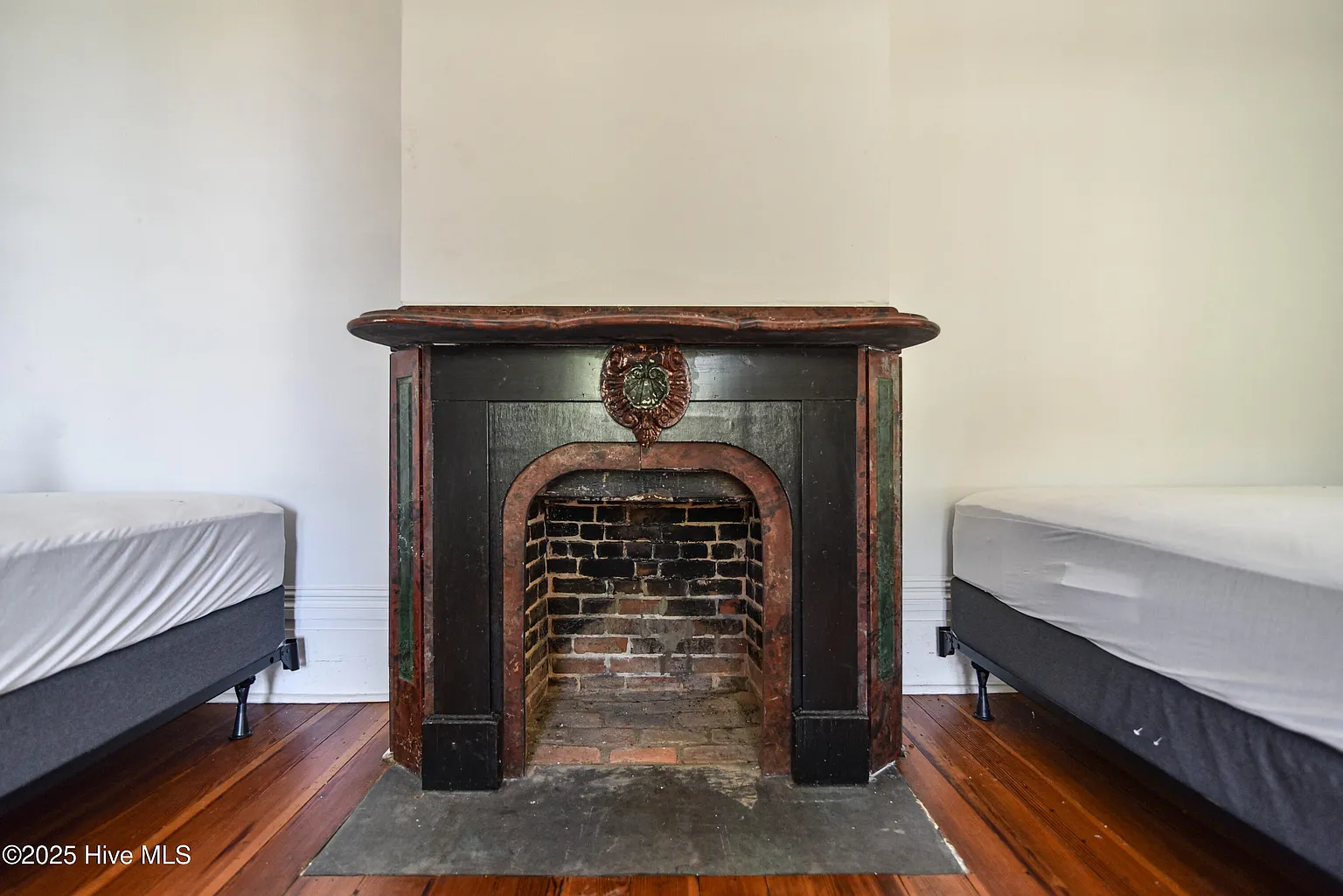
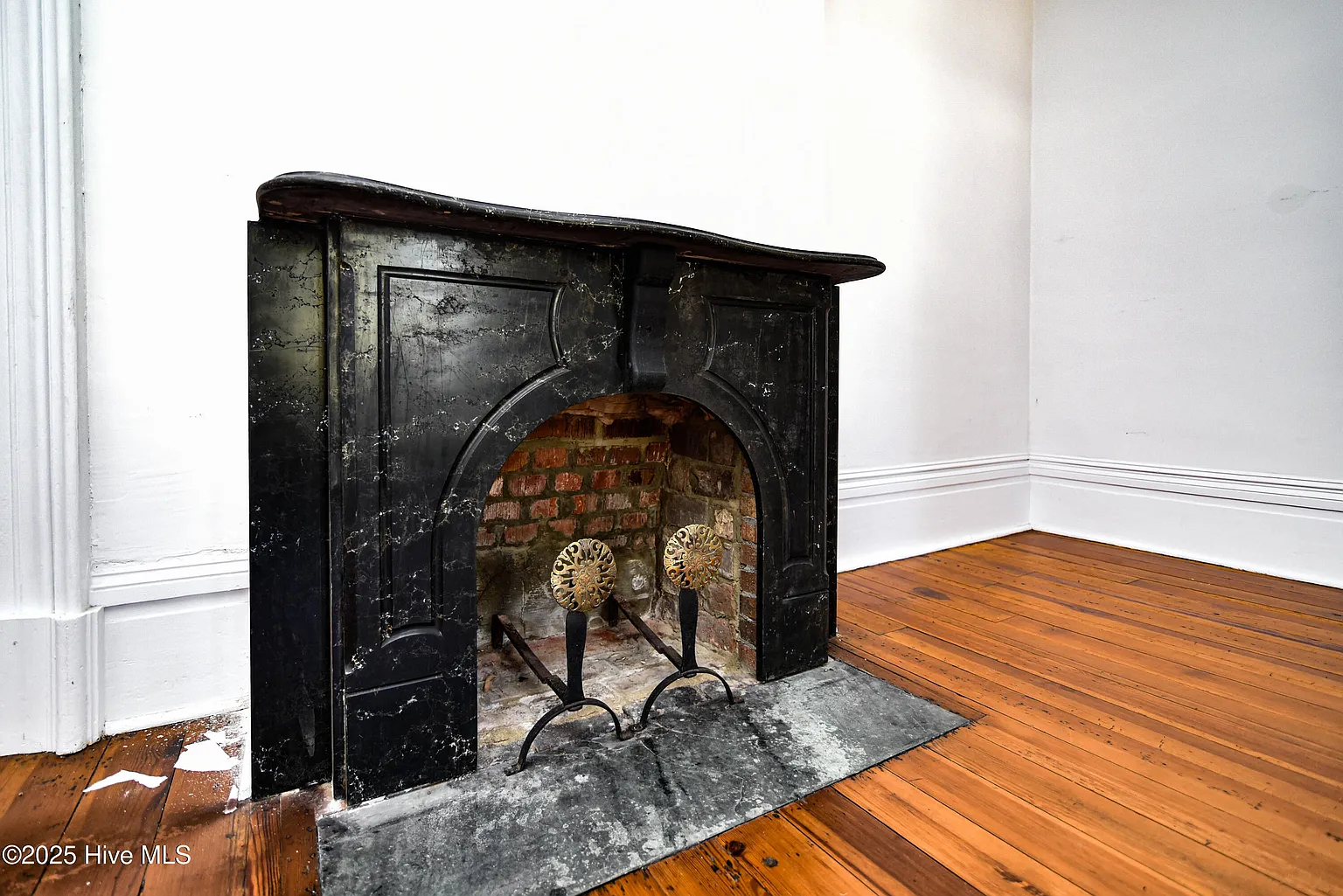
The original hardwood floors run throughout, grounding each space in warmth and authenticity. Multiple marble and slate mantels anchor the rooms, serving as both functional and decorative focal points.
The gracious front rooms—historically used as the “morning room” and music room—retain their elaborate finishes and direct access to the porches, making them ideal for entertaining, quiet reflection, or honoring the home’s original social functions.
Dining, Daily Life, and Early Modern Comforts
The formal dining room features a built-in China cabinet, a testament to both craftsmanship and the importance of shared meals in the home’s original design.
Toward the rear of the house lies one of Murfreesboro’s earliest indoor bathrooms, complete with original fixtures—a rare and fascinating example of early modern convenience integrated into a historic residence.
A later hyphen connection leads to the detached kitchen house, which has been restored with great sensitivity to its original form. This thoughtful adaptation preserves the historical narrative while making the space functional for contemporary use.
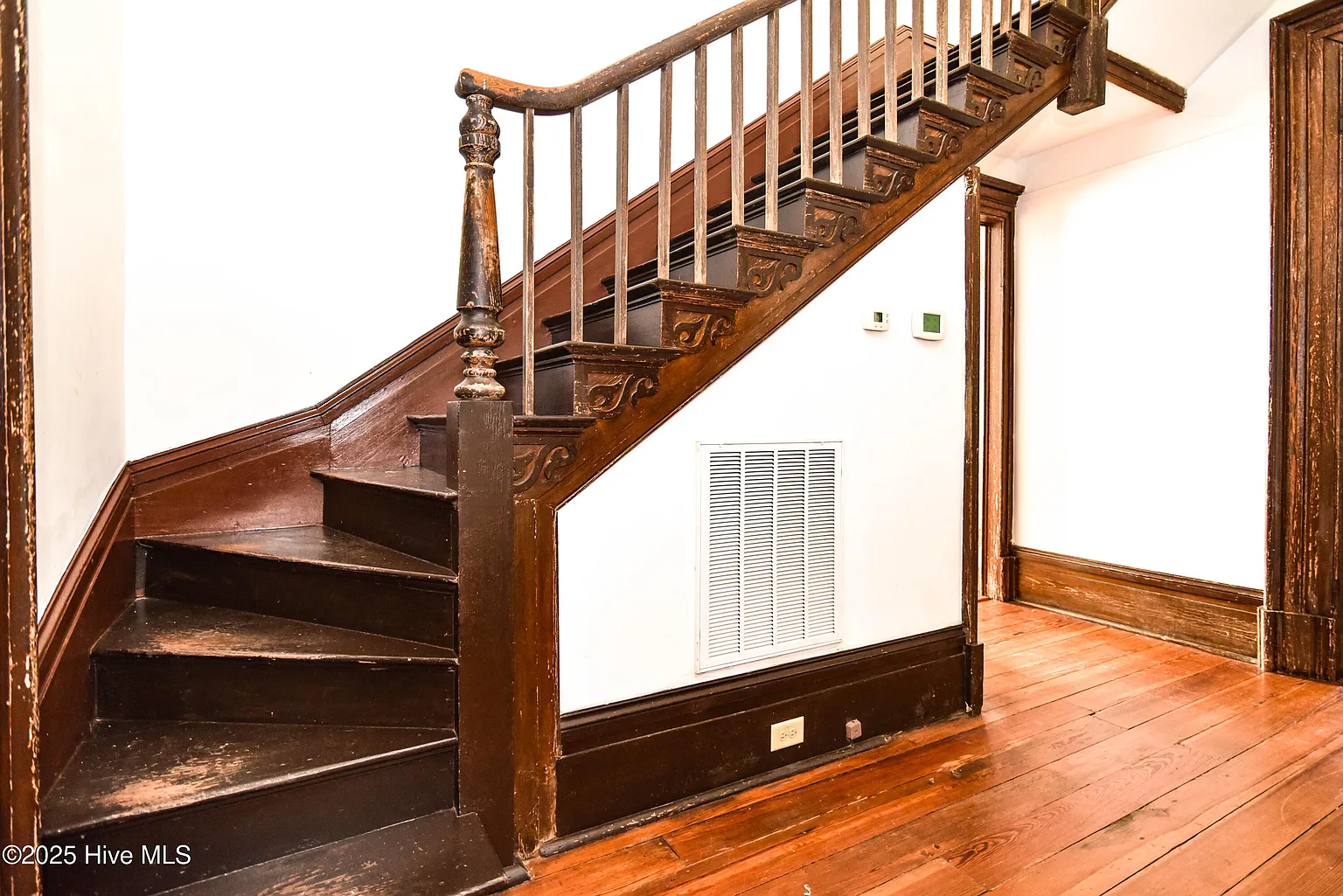
Completing the first floor is the ornate front staircase, a showcase of Holt’s artistry, paired with a simpler rear staircase that reflects the practical needs of the household and staff.
Elegant Private Spaces Upstairs
The second floor is organized around a central passage, with four bedrooms arranged symmetrically. Each bedroom features its own period mantel and distinctive three-part surround, reinforcing the home’s architectural consistency and attention to detail. These rooms offer generous proportions, high ceilings, and an atmosphere of quiet refinement.
Above, the attic reveals exposed rafters and distinctive quatrefoil windows, adding another layer of architectural interest and potential for creative use or preservation.
Outbuildings That Tell a Complete Story
What truly sets the David A. Barnes House apart is the extraordinary survival of its contributing outbuildings. The ornate four-seat privy is a rarity in itself, while the additional structures believed to have housed Holt’s craftsmen provide tangible links to the construction process of the estate.
These buildings, alongside later barns and utility structures, create a complete historic landscape rarely seen today.
Together, they offer endless possibilities for interpretation, preservation, or adaptive use, whether as studios, workshops, or educational spaces.
A Rare Opportunity to Steward History
With five bedrooms, three bathrooms (including two full and one half bath), gravel parking, and expansive grounds, the property balances livability with historical significance. It is ideal for preservation-minded homeowners, historians, or those seeking a truly distinctive estate with national recognition.
Final Reflections
The David A. Barnes House is not merely a historic home—it is a landmark of Murfreesboro’s architectural and cultural legacy. From its Italianate grandeur and intact interiors to its rare collection of original outbuildings, this estate offers a once-in-a-generation opportunity to own and steward a property of exceptional importance.
For those who value authenticity, craftsmanship, and history woven seamlessly into daily life, 625 W Main Street stands as an enduring testament to the artistry of the past and the possibilities of thoughtful preservation today.
FROM ZILLOW